
It starts with a familiar itch. You see a bike lean beautifully into a bend on a sunny Sunday, or you find your old leather jacket at the back of the wardrobe, and suddenly the memories come flooding back. The noise, the freedom, the camaraderie.
So, you’ve decided to get back into the saddle after a 15, 20, or even 30-year hiatus. Welcome back! The biking community is just as welcoming as you remember, but you are going to notice some massive changes the moment you walk into a showroom or sit on a modern machine.
Motorcycles have evolved dramatically over the last two decades. To help you bridge the gap, here is our 2Mototraining guide to what has changed while you’ve been away, and how to make your comeback safe and successful.
1. The Tech Revolution: Electronics Have Your Back
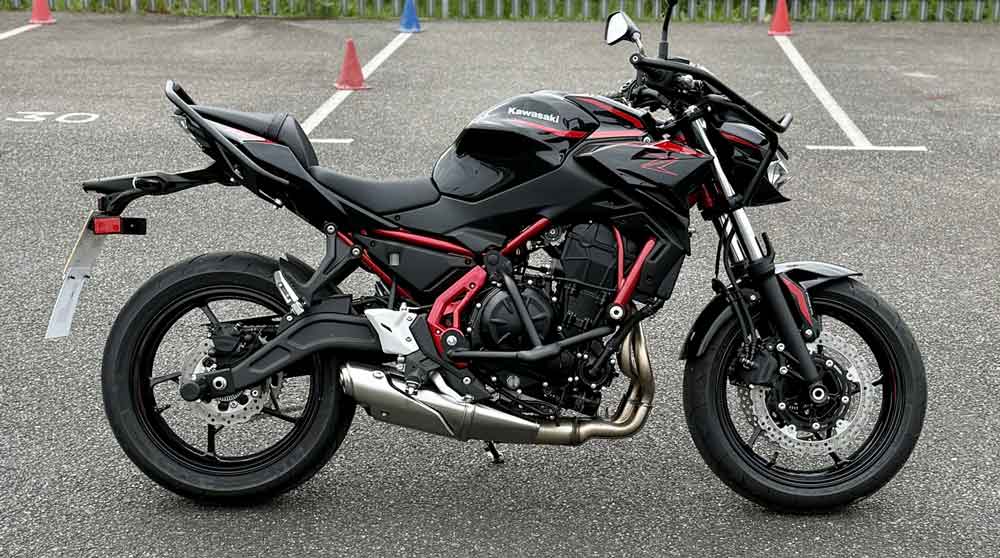
If the last bike you rode had a choke lever, twin carburettors, and kick-started on a wing and a prayer, prepare to be amazed. Modern bikes are rolling computers, and they are infinitely safer and more reliable for it.
- Fuel Injection is Standard: No more fiddling with chokes on a freezing morning. You press the starter button, and the bike idles perfectly, every single time.
- ABS (Anti-lock Braking System): ABS is legally mandatory on all new bikes over 125cc in the UK. If you grab a handful of front brake in a panic on a greasy road, the bike won’t instantly tuck the front wheel and dump you on the tarmac; the system pulses the brakes to keep you upright.
- Rider Modes & Traction Control: Many modern mid-to-large capacity bikes allow you to change the bike’s personality at the touch of a button (e.g., Rain, Road, or Sport modes). Lean-angle sensitive traction control now prevents the rear wheel from spinning out if you get a bit too greedy with the throttle whilst cornering.
2. Riding Gear: Light, Warm, and Armour-Plated
Remember heavy, stiff leather jackets that took three seasons to break in, or waxed cotton jackets that smelt like a wet dog when it rained? You can leave those in the attic.
Motorcycle gear has undergone a massive upgrade:
- Textiles & Gore-Tex: Lightweight, completely waterproof, and windproof textile suits are now the norm for everyday riding.
- CE Ratings and Body Armour: All modern protective gear is strictly tested and CE-rated. Bulky foam inserts have been replaced by intelligent armour (like D3O) which is soft and flexible to wear but hardens instantly upon impact.
- Airbag Vests: This is the biggest safety leap in decades. You can now buy vests or jackets with built-in airbags that inflate in milliseconds if the system detects you are crashing, offering race-level protection to your spine and chest.
3. On the Road: Speed Cameras, Smart Motorways, and Traffic
Let’s be honest: the road network across the UK—and particularly around Sussex—is a lot busier than it was 20 years ago.
- The Cameras: The days of spotting a bright yellow box on the side of the road and braking at the last second are mostly gone. Average speed cameras are now incredibly common on major A-roads and motorways, and they are highly effective at catching motorcycles.
- Potholes and Road Quality: Council road maintenance hasn’t quite kept pace with vehicle tech. Potholes are deeper and more frequent, making scanning the road ahead for surface hazards more important than it ever was.
- Distracted Drivers: While cars are safer for their occupants, drivers are now surrounded by massive infotainment screens and smartphones. You need to assume that car drivers are distracted and simply haven’t seen you.
4. Your Muscle Memory Might Be Rusty
The old saying goes, “You never forget how to ride a bike.” That’s true to an extent—your brain will remember how a clutch works and how to balance.
However, what does fade is your micro-judgement. Your ability to accurately judge stopping distances at 60 mph, your cornering lines, and your reaction speed to a sudden hazard will be rusty. Furthermore, modern bikes stop much faster and accelerate much more crisply than the machines of the late 90s or early 2000s.
How to Make a Safe Comeback: The Hybrid Approach
At 2Mototraining, we see “born-again bikers” every single week. The most dangerous thing you can do is walk into a dealership, buy a 150-horsepower sports bike, and try to ride it home on a busy Friday afternoon based on 20-year-old memories.
Instead, we highly recommend taking a Refresher Lesson or a Post-Test training session.
Spending just half a day with a patient, professional instructor in a low-pressure environment allows you to:
- Get a feel for modern brakes and throttles on a school bike.
- Shake off the cobwebs and practise slow-speed manoeuvring in a closed yard.
- Get real-time feedback via a radio link on your road positioning and observation habits before you hit the open road alone.
Returning to motorcycling is one of the best decisions you will ever make. The bikes are better, the gear is safer, and the feeling of freedom is exactly the same as it always was.
Planning your comeback? Give the team at 2Mototraining a call today, and let’s arrange a relaxed refresher session to get you back in the saddle with total confidence!